
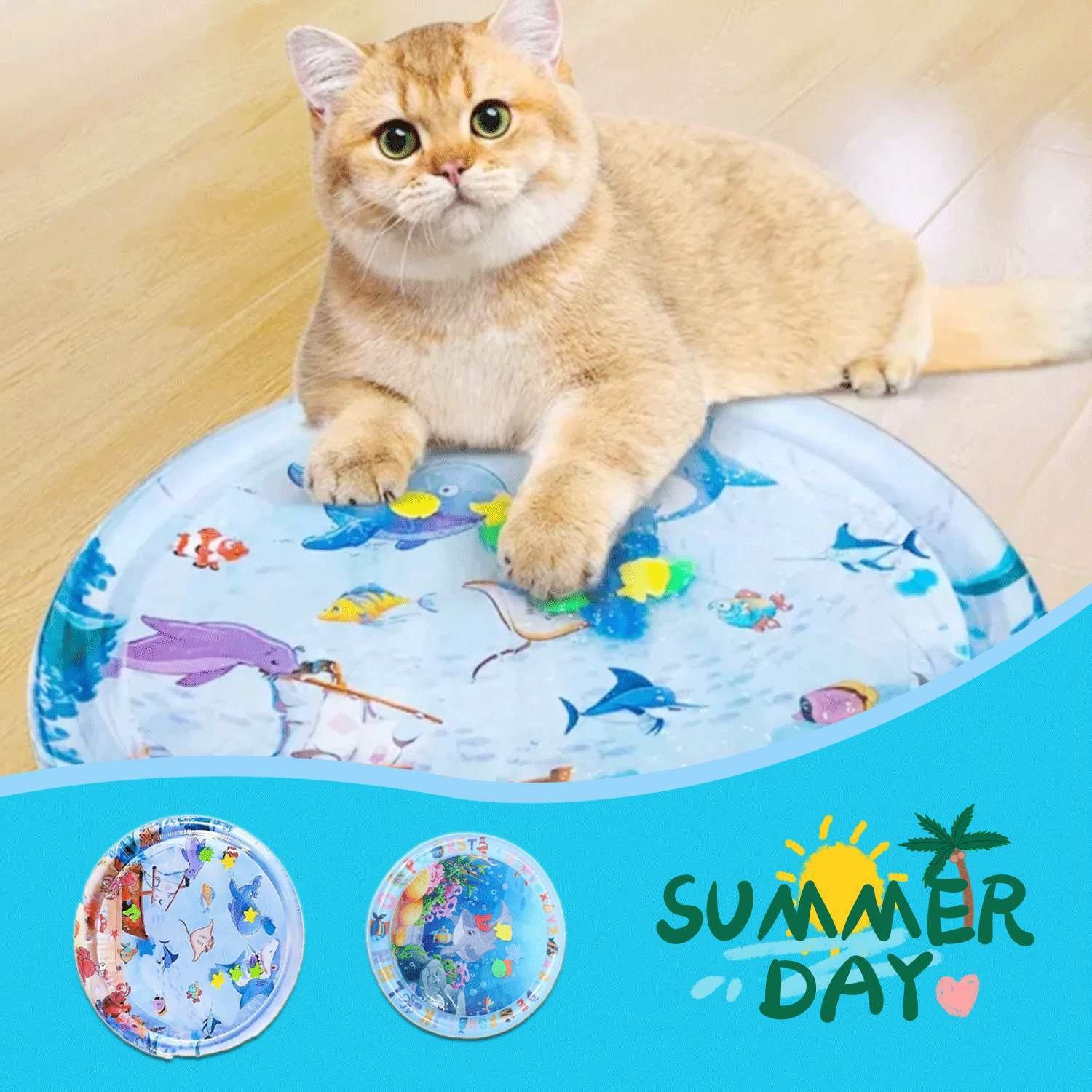
Keep your furry friend comfortable, entertained, and healthy with these innovative pet essentials Introduction Summer is here, and pet parents everywhere are looking for ways to keep their furry companions cool, entertained, and healthy. Whether you’re battling the heat, dealing with dental care, or struggling to maintain a consistent feeding schedule, the right pet products can make all the difference. From electric fish toys that trigger natural hunting instincts to cooling mats that beat the summer heat, we’ve rounded up five innovative pet products that are solving real problems for pet owners. Let’s explore how these clever solutions can improve your pet’s quality of life. Table of Contents 1. Electric Jumping Fish Toy: Interactive Fun Without Catnip Is your cat bored with the same old toys? The electric jumping fish toy offers a fresh, exciting play experience that doesn’t rely on catnip to capture your pet’s attention. Why It Works This interactive toy mimics real fish movements, enticing pets to chase and pounce in a safe, engaging way . Constructed from bite-resistant materials, it’s durable enough for even enthusiastic chewers, making it a long-lasting addition to your pet’s toy collection. Key Benefits What Pet Parents Are Saying Customer reviews highlight that many cats remain consistently engaged with this toy, with one owner noting it’s “the only toy she constantly uses and hasn’t gotten tired of it” . Some cats even take the toy to bed with them, showing how much they’ve bonded with their new “prey” . Pro Tips 2. Summer Cooling Pet Mat: Beat the Heat in Style With temperatures rising, keeping your pet cool is a top priority. The summer cooling pet water bed and ice pad offer an effective, chemical-free solution. Why Your Pet Needs One These cooling mats are designed to provide relief from the summer heat, helping prevent heat-related illnesses and discomfort . The cooling technology works without electricity or freezing – once your pet lies down, the mat instantly begins drawing away heat . Key Features How to Choose the Right Mat Feature Ice Pad Water Bed Portability Highly portable, great for travel Less portable, better for home use Cooling Duration Good for shorter sessions Provides deeper, longer-lasting cooling Best For Small pets, travel, temporary use Larger pets, extended rest periods Expert Tip Position the cooling mat in a shaded area away from direct sunlight for maximum effectiveness. Place it near a water source so your pet stays hydrated while cooling down . 3. 360° Silicone Finger Toothbrush: Easy Dental Care Dental health is one of the most overlooked aspects of pet care, yet it’s essential for your pet’s overall wellbeing. The 360° soft silicone finger toothbrush makes brushing simple and stress-free. Why Dental Care Matters Regular tooth brushing removes plaque that can harden and cause tartar, leading to more serious health issues . A 360° toothbrush design provides thorough teeth cleaning for dogs or cats with ease . Key Benefits Quick Start Guide 4. Honeycomb Cat Litter Pad: Keep Your Floors Clean Tired of finding litter tracked all over your floors? The honeycomb cat litter pad is a simple solution to a messy problem. How It Works The double-layer design traps litter from cat paws and the litter box, saving you cleaning time and reducing litter waste . The honeycomb pattern effectively catches and holds litter particles until you’re ready to empty them. Key Features Size Options Size Dimensions Best For S 30×30 cm Small litter boxes, kittens M 45×60 cm Standard litter boxes L 55×75 cm Large litter boxes, multiple cats 5. Automatic Pet Feeder: Smart Mealtime Management Life gets busy, but your pet still needs consistent meals. Automatic pet feeders with smart features make managing feeding schedules effortless. Why Go Automatic? Whether you’re traveling, working long hours, or just want to maintain consistent portion control, an automatic feeder ensures your pet never misses a meal. Modern feeders offer impressive features that go beyond simple timed dispensing . Key Features to Look For Premium Features Worth Considering Some advanced models include : Conclusion The right products can transform your pet’s daily experience, making summer more comfortable, playtime more engaging, and daily routines more manageable. Quick Recap: Whether you’re preparing for a hot summer, improving your pet’s dental health, or making life with a busy schedule easier, these five products offer practical solutions that both you and your furry friend will appreciate. Disclaimer: This article provides general information about pet products and should not replace professional veterinary advice. Always consult your veterinarian before introducing new products or making changes to your pet’s care routine.

10 Summer Safety Tips for Dogs: Protecting Your Furry Friend During Hot Weather
Essential Guide to Keeping Your Canine Companion Safe, Cool, and Healthy This Summer Introduction With summer just around the corner, it’s essential for pet parents to be aware of the potential risks associated with the heat and take necessary precautions to protect their furry friends. Dogs are susceptible to sunburn, dehydration, and overheating, which can lead to serious health issues. In this comprehensive guide, we’ll provide you with ten crucial heat and summer safety tips to help ensure the well-being of your beloved canine companion. From hydration strategies to recognizing the warning signs of heatstroke, we’ve got you covered. Let’s dive in and learn how you can keep your dog safe and comfortable this summer! Table of Contents 1. Hydration is Key One of the most important aspects of summer safety for dogs is ensuring they stay properly hydrated. Dogs can lose significant amounts of water through panting and sweating through their paw pads, making them vulnerable to dehydration in hot weather. Tips to keep your dog hydrated: Pro Tip: Carry a dedicated water bottle and collapsible bowl in your car or bag during summer outings. Many pet stores offer travel-friendly hydration solutions designed specifically for dogs. 2. Provide Ample Shade Create shaded areas in your yard where your dog can seek refuge from the sun’s direct rays. Dogs can suffer from sunburn, especially those with light-colored or thin coats, and need protection from harmful UV radiation. Shade solutions: Remember: The shade position changes throughout the day. Move shade structures or rotate your dog’s resting spots to ensure continuous protection. 3. Limit Outdoor Exercise Avoid strenuous activities during the hottest parts of the day, typically between 10 AM and 4 PM. Dogs don’t sweat like humans and rely primarily on panting to cool down, which becomes less effective in high humidity. Safe exercise guidelines: Warning: Brachycephalic breeds (flat-faced dogs like Bulldogs, Pugs, and Boxers) are especially susceptible to heat-related issues due to their compromised breathing ability. Extra caution is essential for these breeds. 4. Never Leave Your Dog in a Parked Car This cannot be stressed enough: Never, under any circumstances, leave your dog in a parked car during the summer months. Even with the windows cracked, the temperature inside a car can rise to dangerous levels rapidly, leading to heatstroke or even death. Startling facts: If you need to run errands, leave your dog at home in a cool and comfortable environment. No errand is worth risking your dog’s life. 5. Watch for Signs of Overheating It’s crucial to be vigilant for signs of overheating in your dog. Early recognition can save your pet’s life. Common signs of heat exhaustion include: What to do if you suspect heatstroke: Emergency Warning: Heatstroke can be fatal. Do not delay seeking veterinary care if you notice severe symptoms. 6. Use Dog-Safe Shampoo Summer grooming is essential, but using the right products matters. Select a mild, dog-specific shampoo formulated for their sensitive skin. Human shampoos can be too harsh and strip natural oils from your dog’s coat. Grooming recommendations: 7. Provide Cooling Options Help your dog beat the heat by providing various cooling options. A combination of methods works best to keep your furry friend comfortable. Cooling ideas: Pro Tip: Freeze chicken broth or plain yogurt in ice cube trays for a tasty, cooling treat your dog will love. 8. Protect Paws from Hot Pavement Many pet owners overlook this critical summer safety issue: hot pavement can cause severe burns to your dog’s paws. This is a duplicate point from earlier, but it deserves special attention. The 7-second test: Additional paw protection: 9. Adjust Grooming Practices While regular grooming is important, consider adjusting your practices during the summer. Proper coat care is essential for temperature regulation. Grooming summer tips: 10. Plan for Outdoor Activities If you’re planning outdoor adventures with your dog, take time to plan and prepare. Proper preparation ensures both you and your furry friend have an enjoyable experience. Preparation checklist: The One Thing Pet Owners Regret Not Doing Until It’s Too Late Is your pet safe? 1 in 3 pets will need emergency veterinary treatment each year, and it is estimated a pet receives emergency care every 2.5 seconds in the U.S. The average cost of treating a broken bone in dogs is $2,700. Cancer treatments? Up to $10,000. It’s why so many pet owners say their biggest regret isn’t the vet bill—it’s not having pet insurance when they needed it most. Ask yourself: “If an unexpected $5,000 vet bill hit tomorrow, could I afford it?” If the answer is no, it’s time to get covered. Take a look at Lemonade. They have a great app that actually works, an instant chatbot that is faster and, dare we say it, friendlier than most companies’ “real” customer service, and a quick scroll through Reddit will uncover that people are really vibing with this brand. So go check them out and take a look. It takes less than a minute. Conclusion As summer approaches, it’s crucial to prioritize the safety and well-being of your four-legged family members. By following these ten heat and summer safety tips, you can help prevent sunburn, dehydration, and overheating in your beloved dog. Remember to: Your furry friend depends on you to protect them during the hot summer months. By implementing these tips and remaining vigilant, you can ensure that your dog stays healthy, happy, and safe throughout the season.
How Often Should You Give Your Cat Catnip? (And Is It Safe?)
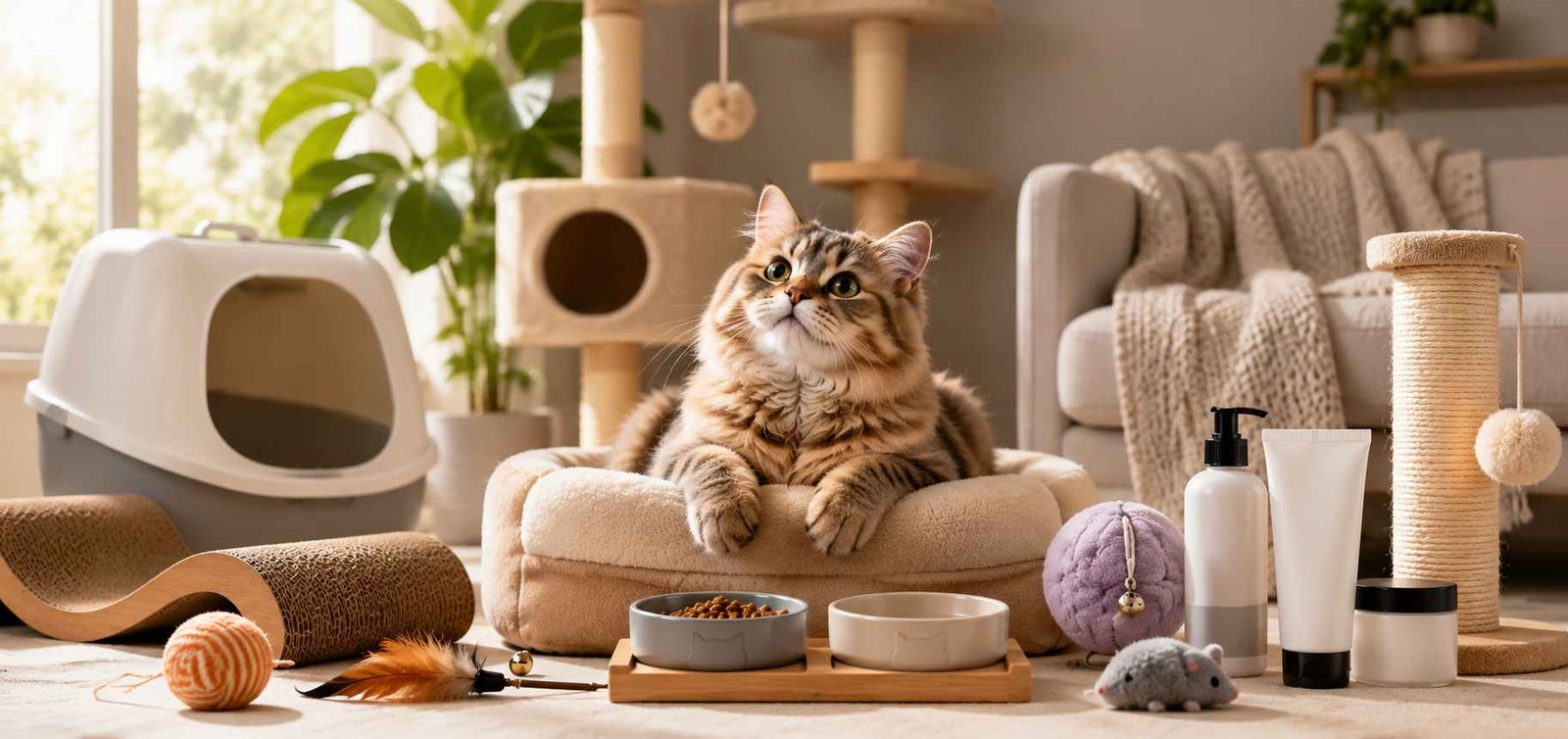
Catnip has a way of turning an ordinary afternoon into a play session, a zoomie-filled adventure, or a very relaxed lounge. But how often should you give catnip to your cat? And can they have too much? The good news is that catnip is generally safe for cats. The key is understanding how often to use it and how it fits into a balanced enrichment routine. Is Catnip Safe for Cats? Yes, catnip is considered safe, non-toxic, and non-addictive for cats . The active compound in catnip, called nepetalactone, triggers a temporary sensory response that may encourage playfulness, excitement, or relaxation . While the experience can be dramatic, it is temporary and does not create dependency . For many cats, catnip can be a valuable enrichment tool that supports both mental and physical stimulation . How Often Should You Give Your Cat Catnip? For most cats, offering catnip a few times per week is a great place to start . Spacing out catnip sessions helps keep the experience novel and engaging. If it’s available constantly, some cats may become less interested over time due to “olfactory fatigue” . As a general guideline : Every cat is different, so it’s worth paying attention to how your cat responds and adjusting accordingly. Can Cats Have Too Much Catnip? Most cats naturally self-regulate and lose interest once the effects wear off . However, offering large amounts of catnip too frequently can make it feel less special and may temporarily reduce your cat’s response. If your cat seems uninterested in catnip, taking a break for a week or two may help restore some of the novelty . While cats cannot “overdose” on catnip, eating a large amount can cause mild stomach upset, such as vomiting or diarrhea . Catnip is most effective when it feels like an occasional treat rather than an everyday expectation. When Should You Use Catnip? Catnip can be especially useful when paired with activities that encourage natural feline behaviors . Try using catnip: Many cats enjoy catnip most when it’s associated with active play and exploration. The effects usually last around 5 to 15 minutes, after which cats typically become temporarily immune for an hour or two . What If My Cat Doesn’t Respond to Catnip? Not all cats react to catnip. Sensitivity is largely genetic, and some cats simply don’t have the receptors needed to experience its effects . Around 30-60% of cats show a noticeable response, meaning many cats do not react at all . Kittens under 6 months old and some senior cats may also show little or no response . If your cat doesn’t react to catnip, it doesn’t mean they aren’t playful or engaged. They may simply prefer different forms of enrichment, such as silvervine . Special Considerations for Catnip Use While catnip is safe for most healthy cats, there are a few situations where caution is advised: Catnip Is Just One Part of Enrichment While catnip can be a fun addition to your cat’s routine, it works best when paired with other forms of enrichment. Interactive toys, daily play sessions, climbing opportunities, scratching surfaces, and food-based enrichment all contribute to a happier and more engaged cat. Think of catnip as one tool in a larger toolkit designed to support your cat’s physical and mental wellbeing. The Takeaway For most cats, catnip a few times per week is enough to keep the experience exciting and rewarding . Used thoughtfully, catnip can encourage play, reduce boredom, and add variety to your cat’s daily routine without becoming an everyday necessity. Like most things in cat care, the best approach is the one that works for your individual cat.

Pawsitive Beginnings: Mastering the Essentials of Puppy Training for New Owners
Welcoming a puppy into your home is an exciting and joyful experience, yet it also comes with significant responsibilities. Early training is crucial for your puppy’s development, ensuring they grow into well-adjusted and sociable adult dogs. This article provides an in-depth exploration of the essential aspects of puppy training for new owners, supported by evidence-based practices and expert recommendations. Understanding Puppy Development Puppies are in a critical developmental phase that can last until they are approximately 18 months old. During this time, they undergo several key stages, each presenting unique opportunities for learning and socialisation. Understanding these developmental stages is essential for new owners as it guides the timing and methods of training. Essential Training Techniques for New Owners 1. Positive Reinforcement Positive reinforcement is a training method that focuses on rewarding desired behaviours rather than punishing unwanted ones. This approach is supported by extensive research, including studies by the American Veterinary Society of Animal Behavior, which advocate for reward-based training due to its effectiveness and ethical considerations. How to Implement Positive Reinforcement: 2. Socialisation Socialisation involves exposing your puppy to a variety of experiences, people, and other animals. This process helps prevent behavioural issues such as fear or aggression later in life. Socialisation Tips: 3. Basic Commands Teaching basic commands such as “sit,” “stay,” “come,” and “down” is foundational for good behaviour and safety. These commands help establish communication between you and your puppy. Tips for Teaching Commands: 4. Crate Training Crate training is an effective method for house training and providing a safe space for your puppy. A crate can serve as a den-like environment where your puppy feels secure. Crate Training Steps: 5. Addressing Common Behavioural Issues New puppies often exhibit common behavioural problems, such as chewing, barking, and jumping. Addressing these issues early can prevent them from becoming ingrained habits. Strategies for Common Issues: Professional Advice for New Owners Consult a Professional Trainer While many training techniques can be implemented at home, consulting a professional dog trainer can provide personalised guidance tailored to your puppy’s specific needs. Look for trainers certified by reputable organisations, such as the Association of Professional Dog Trainers (APDT) or the International Association of Animal Behavior Consultants (IAABC). Be Patient and Consistent Training takes time, and each puppy learns at their own pace. Patience and consistency are crucial in helping your puppy grasp new concepts. Celebrate small victories, and remember that setbacks can occur. Focus on Bonding Training is as much about building a relationship with your puppy as it is about teaching commands. Spend time engaging in positive interactions through play and training exercises to strengthen your bond. Use Technology Wisely Consider using technology, such as training apps or online courses, to supplement your training efforts. However, ensure that any resources you use are evidence-based and align with positive reinforcement methods. Frequently Asked Questions (FAQs) 1. When should I start training my puppy? You can begin basic training as soon as you bring your puppy home, ideally around 8 weeks old. Early socialisation and exposure to various experiences should also start during this period. 2. How long should training sessions be? Training sessions should be short and engaging, lasting about 5-10 minutes. Puppies have limited attention spans, so frequent, short sessions are more effective than longer ones. 3. Is it too late to train my puppy if they are older? While early training is ideal, it is never too late to train a dog. Older puppies and adult dogs can learn new behaviours and commands, although the process may take longer. 4. What if my puppy is fearful or anxious? If your puppy exhibits fear or anxiety, consult a professional trainer or animal behaviourist. They can provide strategies to help your puppy cope with their fears in a safe and supportive manner. 5. How can I prevent unwanted behaviours? Prevent unwanted behaviours by providing plenty of physical exercise and mental stimulation. Redirect your puppy’s energy towards appropriate activities, such as training or interactive toys. Conclusion Puppy training is an essential part of responsible dog ownership that lays the foundation for a well-behaved and happy adult dog. By employing positive reinforcement techniques, focusing on socialisation, and addressing common behavioural issues, new owners can effectively guide their puppies through this crucial developmental phase. Remember, training is a journey that requires patience, consistency, and a strong bond between you and your puppy. As you embark on this journey, seek professional advice when needed, and enjoy the rewarding experience of raising a well-mannered companion.
