
Introduction Reliable recall is one of the most essential skills a dog can learn. It not only enhances the safety of your pet but also fosters a stronger bond between you and your canine companion. Whether you’re enjoying a day at the park, hiking in the woods, or simply letting your dog play in the backyard, knowing that your pup will return promptly when called is invaluable. This comprehensive guide aims to equip dog owners with the knowledge and techniques necessary to transform their pet’s recall response from inconsistent to reliable. Understanding Recall Recall, often referred to as the “come” command, is a fundamental obedience skill that allows you to summon your dog back to you. The significance of this command transcends mere convenience; it plays a critical role in ensuring your dog’s safety, especially in environments where potential hazards exist—such as busy streets or areas with wildlife. The Science Behind Recall Recall is not merely a matter of training; it involves understanding canine behaviour and motivation. Dogs, like humans, learn through a combination of reinforcement and consequence. When a dog understands that responding to a recall command leads to positive outcomes, the likelihood of them returning to you in the future increases significantly. Utilising positive reinforcement, such as treats, praise, or play, is key to effective recall training. According to research published in the Journal of Veterinary Behaviour, positive reinforcement training techniques lead to better learning outcomes compared to aversive methods. Therefore, a well-structured and reward-based training regimen is fundamental for facilitating reliable recall. Steps to Mastering Recall Training Step 1: Establish a Strong Foundation Before delving into specific recall techniques, it is crucial to establish a strong foundation of trust and communication with your dog. This involves: Step 2: Choose an Appropriate Environment Begin your recall training in a controlled, low-distraction environment. This could be your backyard or a quiet park. As your dog becomes more reliable in their response, gradually increase the level of distraction. Step 3: Use a Consistent Cue Select a specific cue for your recall command. This could be “come,” “here,” or any other word that you will consistently use. Ensure everyone in your household uses the same cue to avoid confusion. Step 4: Positive Reinforcement When your dog responds to the recall command, immediately reward them with high-value treats, praise, or play. The timing of the reward is crucial; it must occur immediately after the desired behaviour to create a clear association. Gradually phase out treats as your dog becomes more reliable, but continue to offer praise and affection. Step 5: Practice, Practice, Practice Consistency is key in recall training. Practice the recall command multiple times each day in various environments. Start with short distances and gradually increase the distance as your dog becomes more reliable. Incorporate recall into everyday activities, such as calling your dog to you during playtime. Step 6: Increase Distractions Once your dog consistently responds to recall in a controlled environment, it’s time to introduce distractions. This may include training in busier parks or around other dogs. Gradually increase the level of distraction and ensure that your dog remains focused on you. Step 7: Use Long Lines for Safety When practicing recall in open spaces, consider using a long line (a leash that is 15-30 feet long). This provides your dog with the freedom to explore while still allowing you to maintain control. If your dog does not respond to the recall command, gently reel them in without pulling. Step 8: Create a Positive Recall History To reinforce the recall command, ensure that your dog associates returning to you with positive experiences. This means avoiding situations where calling your dog results in negative consequences, such as a trip to the vet or being put back on a leash after playing. You want your dog to view coming to you as a rewarding and enjoyable experience. Step 9: Gradual Withdrawal of Reinforcement As your dog becomes more reliable in their recall, you can gradually reduce the frequency of treats while still providing praise and affection. This helps prevent your dog from becoming dependent on treats for compliance. Step 10: Be Patient and Persistent Training takes time and patience. Each dog learns at their own pace, and setbacks may occur. Remain calm and consistent, and avoid punishing your dog for not responding. Instead, refocus your efforts on building a stronger recall through positive reinforcement. Professional Advice for Common Challenges Challenge 1: Distractions It’s common for dogs to become distracted by other animals, people, or smells. To combat this, practice recall in progressively distracting environments, rewarding your dog for maintaining focus. You might also consider engaging in activities that tire your dog out, such as fetch, to reduce their arousal level before recall practice. Challenge 2: Fear or Anxiety Some dogs may be hesitant to return if they are fearful or anxious. Begin recall training in a safe, familiar space and gradually introduce new environments. If your dog shows signs of fear, consult with a professional trainer or behaviourist who can provide tailored advice. Challenge 3: Inconsistency Inconsistency in training can lead to confusion. Establish a routine and practice recall regularly. Everyone in the household should be on the same page regarding commands and expectations. FAQs Q1: How long does it take to train a dog to have reliable recall? The timeframe varies depending on the dog’s age, breed, and previous training experience. With consistent practice, many dogs can show significant improvement within a few weeks. Q2: What if my dog doesn’t respond to the recall command? If your dog does not respond, do not chase after them—this may encourage them to run away. Instead, use a more enticing reward or engage them with a toy to draw their attention back to you. Q3: Can I use a whistle for recall training? Yes, many trainers advocate using a whistle as a recall cue. Whistles can carry further distances and are less prone to human error compared to verbal commands. Q4: How
Harness or Collar? Which Is Best For Your Dog
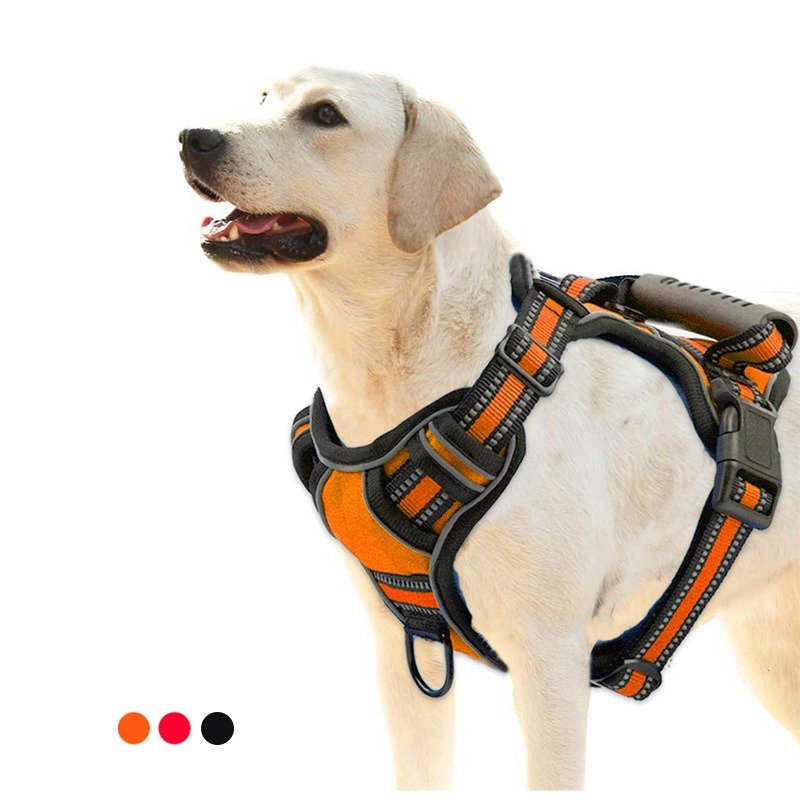
One of the biggest questions dog parents ask when shopping for walking accessories is whether to buy a harness or collar for their dog. Both options have their strengths and weaknesses, and in this article, we’ll explore those pros and cons to help you decide which option is best for your dog. Harnesses Harnesses are a popular choice for many dogs. Instead of placing pressure on the neck like a collar, a harness wraps around the dog’s chest and shoulders. Most harnesses include adjustable straps, secure buckles, and leash attachment points. Some also feature reflective stitching (like this one!) for better visibility during nighttime walks. Many designs include both a front and back leash clip, giving owners more control. Harnesses Benefits Harnesses offer several advantages, especially for dogs that pull or need extra support. Harnesses Downsides While harnesses have many benefits, they aren’t perfect for every dog. Collars Collars remain the most common wearable for dogs. They’re simple, lightweight, and often used to hold ID tags or GPS trackers. Some dog breeds are actually better suited to walk with a collar, but you also need to factor in body structure, neck sensitivity, and escape tendencies, not just the breed alone. Benefits of Collars Collars have a few clear advantages. Downsides of Collars Collars also come with some potential drawbacks. So, Harness or Collar? In many cases, a harness is the safer and more comfortable choice—especially for dogs that pull on the leash. Because harnesses distribute pressure across the chest rather than the neck, they can reduce strain on the throat and give owners better control during walks. That said, the best option ultimately depends on your dog’s size, behavior, and comfort level. Dogs that pull frequently, are still learning leash manners, or are prone to slipping out of collars often benefit most from wearing a harness during walks. A front-clip or no-pull harness can also make training easier while your dog learns how to walk calmly on a leash. For dogs that already have excellent leash manners and rarely pull, a collar may work perfectly well for everyday walks. Collars are simple, lightweight, and convenient for holding ID tags or GPS trackers.
Pawsitive Beginnings: Mastering the Essentials of Puppy Training for New Owners
Welcoming a puppy into your home is an exciting and joyful experience, yet it also comes with significant responsibilities. Early training is crucial for your puppy’s development, ensuring they grow into well-adjusted and sociable adult dogs. This article provides an in-depth exploration of the essential aspects of puppy training for new owners, supported by evidence-based practices and expert recommendations. Understanding Puppy Development Puppies are in a critical developmental phase that can last until they are approximately 18 months old. During this time, they undergo several key stages, each presenting unique opportunities for learning and socialisation. Understanding these developmental stages is essential for new owners as it guides the timing and methods of training. Essential Training Techniques for New Owners 1. Positive Reinforcement Positive reinforcement is a training method that focuses on rewarding desired behaviours rather than punishing unwanted ones. This approach is supported by extensive research, including studies by the American Veterinary Society of Animal Behavior, which advocate for reward-based training due to its effectiveness and ethical considerations. How to Implement Positive Reinforcement: 2. Socialisation Socialisation involves exposing your puppy to a variety of experiences, people, and other animals. This process helps prevent behavioural issues such as fear or aggression later in life. Socialisation Tips: 3. Basic Commands Teaching basic commands such as “sit,” “stay,” “come,” and “down” is foundational for good behaviour and safety. These commands help establish communication between you and your puppy. Tips for Teaching Commands: 4. Crate Training Crate training is an effective method for house training and providing a safe space for your puppy. A crate can serve as a den-like environment where your puppy feels secure. Crate Training Steps: 5. Addressing Common Behavioural Issues New puppies often exhibit common behavioural problems, such as chewing, barking, and jumping. Addressing these issues early can prevent them from becoming ingrained habits. Strategies for Common Issues: Professional Advice for New Owners Consult a Professional Trainer While many training techniques can be implemented at home, consulting a professional dog trainer can provide personalised guidance tailored to your puppy’s specific needs. Look for trainers certified by reputable organisations, such as the Association of Professional Dog Trainers (APDT) or the International Association of Animal Behavior Consultants (IAABC). Be Patient and Consistent Training takes time, and each puppy learns at their own pace. Patience and consistency are crucial in helping your puppy grasp new concepts. Celebrate small victories, and remember that setbacks can occur. Focus on Bonding Training is as much about building a relationship with your puppy as it is about teaching commands. Spend time engaging in positive interactions through play and training exercises to strengthen your bond. Use Technology Wisely Consider using technology, such as training apps or online courses, to supplement your training efforts. However, ensure that any resources you use are evidence-based and align with positive reinforcement methods. Frequently Asked Questions (FAQs) 1. When should I start training my puppy? You can begin basic training as soon as you bring your puppy home, ideally around 8 weeks old. Early socialisation and exposure to various experiences should also start during this period. 2. How long should training sessions be? Training sessions should be short and engaging, lasting about 5-10 minutes. Puppies have limited attention spans, so frequent, short sessions are more effective than longer ones. 3. Is it too late to train my puppy if they are older? While early training is ideal, it is never too late to train a dog. Older puppies and adult dogs can learn new behaviours and commands, although the process may take longer. 4. What if my puppy is fearful or anxious? If your puppy exhibits fear or anxiety, consult a professional trainer or animal behaviourist. They can provide strategies to help your puppy cope with their fears in a safe and supportive manner. 5. How can I prevent unwanted behaviours? Prevent unwanted behaviours by providing plenty of physical exercise and mental stimulation. Redirect your puppy’s energy towards appropriate activities, such as training or interactive toys. Conclusion Puppy training is an essential part of responsible dog ownership that lays the foundation for a well-behaved and happy adult dog. By employing positive reinforcement techniques, focusing on socialisation, and addressing common behavioural issues, new owners can effectively guide their puppies through this crucial developmental phase. Remember, training is a journey that requires patience, consistency, and a strong bond between you and your puppy. As you embark on this journey, seek professional advice when needed, and enjoy the rewarding experience of raising a well-mannered companion.
