
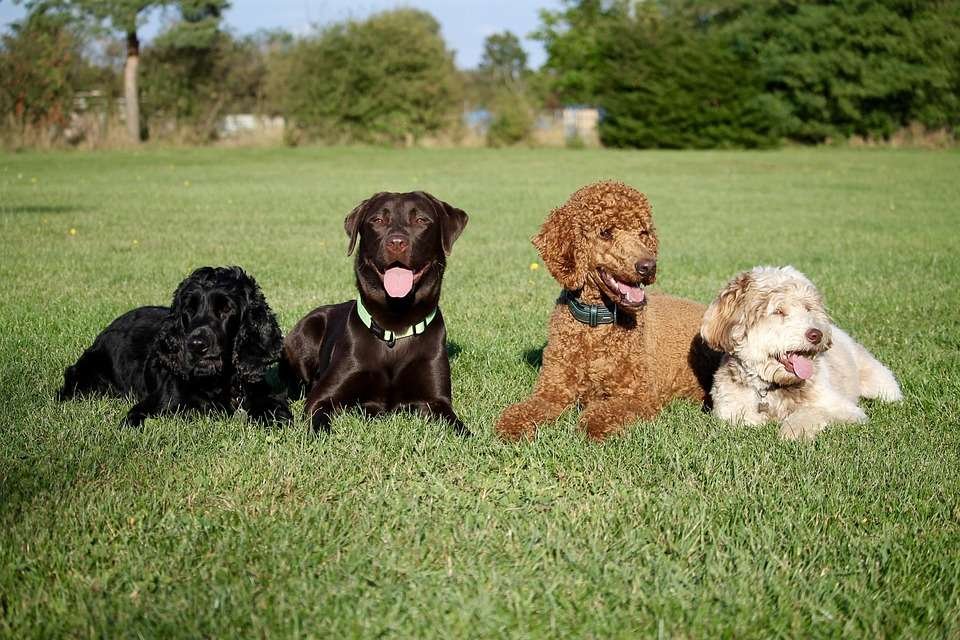
Introduction Reliable recall is one of the most essential skills a dog can learn. It not only enhances the safety of your pet but also fosters a stronger bond between you and your canine companion. Whether you’re enjoying a day at the park, hiking in the woods, or simply letting your dog play in the backyard, knowing that your pup will return promptly when called is invaluable. This comprehensive guide aims to equip dog owners with the knowledge and techniques necessary to transform their pet’s recall response from inconsistent to reliable. Understanding Recall Recall, often referred to as the “come” command, is a fundamental obedience skill that allows you to summon your dog back to you. The significance of this command transcends mere convenience; it plays a critical role in ensuring your dog’s safety, especially in environments where potential hazards exist—such as busy streets or areas with wildlife. The Science Behind Recall Recall is not merely a matter of training; it involves understanding canine behaviour and motivation. Dogs, like humans, learn through a combination of reinforcement and consequence. When a dog understands that responding to a recall command leads to positive outcomes, the likelihood of them returning to you in the future increases significantly. Utilising positive reinforcement, such as treats, praise, or play, is key to effective recall training. According to research published in the Journal of Veterinary Behaviour, positive reinforcement training techniques lead to better learning outcomes compared to aversive methods. Therefore, a well-structured and reward-based training regimen is fundamental for facilitating reliable recall. Steps to Mastering Recall Training Step 1: Establish a Strong Foundation Before delving into specific recall techniques, it is crucial to establish a strong foundation of trust and communication with your dog. This involves: Step 2: Choose an Appropriate Environment Begin your recall training in a controlled, low-distraction environment. This could be your backyard or a quiet park. As your dog becomes more reliable in their response, gradually increase the level of distraction. Step 3: Use a Consistent Cue Select a specific cue for your recall command. This could be “come,” “here,” or any other word that you will consistently use. Ensure everyone in your household uses the same cue to avoid confusion. Step 4: Positive Reinforcement When your dog responds to the recall command, immediately reward them with high-value treats, praise, or play. The timing of the reward is crucial; it must occur immediately after the desired behaviour to create a clear association. Gradually phase out treats as your dog becomes more reliable, but continue to offer praise and affection. Step 5: Practice, Practice, Practice Consistency is key in recall training. Practice the recall command multiple times each day in various environments. Start with short distances and gradually increase the distance as your dog becomes more reliable. Incorporate recall into everyday activities, such as calling your dog to you during playtime. Step 6: Increase Distractions Once your dog consistently responds to recall in a controlled environment, it’s time to introduce distractions. This may include training in busier parks or around other dogs. Gradually increase the level of distraction and ensure that your dog remains focused on you. Step 7: Use Long Lines for Safety When practicing recall in open spaces, consider using a long line (a leash that is 15-30 feet long). This provides your dog with the freedom to explore while still allowing you to maintain control. If your dog does not respond to the recall command, gently reel them in without pulling. Step 8: Create a Positive Recall History To reinforce the recall command, ensure that your dog associates returning to you with positive experiences. This means avoiding situations where calling your dog results in negative consequences, such as a trip to the vet or being put back on a leash after playing. You want your dog to view coming to you as a rewarding and enjoyable experience. Step 9: Gradual Withdrawal of Reinforcement As your dog becomes more reliable in their recall, you can gradually reduce the frequency of treats while still providing praise and affection. This helps prevent your dog from becoming dependent on treats for compliance. Step 10: Be Patient and Persistent Training takes time and patience. Each dog learns at their own pace, and setbacks may occur. Remain calm and consistent, and avoid punishing your dog for not responding. Instead, refocus your efforts on building a stronger recall through positive reinforcement. Professional Advice for Common Challenges Challenge 1: Distractions It’s common for dogs to become distracted by other animals, people, or smells. To combat this, practice recall in progressively distracting environments, rewarding your dog for maintaining focus. You might also consider engaging in activities that tire your dog out, such as fetch, to reduce their arousal level before recall practice. Challenge 2: Fear or Anxiety Some dogs may be hesitant to return if they are fearful or anxious. Begin recall training in a safe, familiar space and gradually introduce new environments. If your dog shows signs of fear, consult with a professional trainer or behaviourist who can provide tailored advice. Challenge 3: Inconsistency Inconsistency in training can lead to confusion. Establish a routine and practice recall regularly. Everyone in the household should be on the same page regarding commands and expectations. FAQs Q1: How long does it take to train a dog to have reliable recall? The timeframe varies depending on the dog’s age, breed, and previous training experience. With consistent practice, many dogs can show significant improvement within a few weeks. Q2: What if my dog doesn’t respond to the recall command? If your dog does not respond, do not chase after them—this may encourage them to run away. Instead, use a more enticing reward or engage them with a toy to draw their attention back to you. Q3: Can I use a whistle for recall training? Yes, many trainers advocate using a whistle as a recall cue. Whistles can carry further distances and are less prone to human error compared to verbal commands. Q4: How
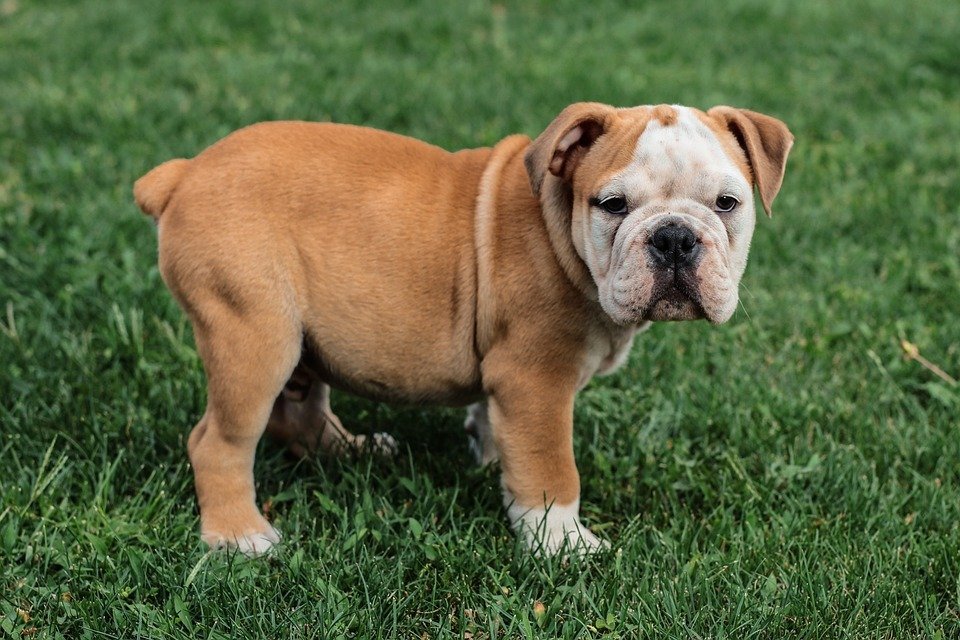
Pawsitively Healthy: How to Create a Balanced Diet for Your Furry Friend
Introduction As pet owners, we often find ourselves grappling with the responsibility of ensuring our furry companions lead happy and healthy lives. A balanced diet is fundamental to achieving this goal, significantly impacting their overall well-being, longevity, and quality of life. However, with the myriad of pet food options available in the market, it can be daunting to determine what constitutes a balanced diet for your dog or cat. This article aims to demystify the concept of a balanced diet for pets, providing a comprehensive guide on how to create an appropriate meal plan tailored to your furry friend’s specific needs. Description of a Balanced Diet for Pets Understanding Nutritional Needs Just like humans, pets require a balanced diet that includes proteins, carbohydrates, fats, vitamins, and minerals. However, the proportions and sources of these nutrients can vary significantly between species, ages, and health conditions. Special Considerations The nutritional needs of pets can change based on several factors, including age, breed, activity level, and health conditions. Professional Advice on Creating a Balanced Diet Creating a balanced diet for your pet involves careful consideration and often consultation with a veterinarian or a pet nutritionist. Here are practical steps to ensure your furry friend receives a diet that meets their needs: 1. Consult a Veterinarian Before making any dietary changes, consult a veterinarian. They can assess your pet’s health status, recommend appropriate food types, and help you create a tailored feeding plan. 2. Choose High-Quality Commercial Pet Foods If opting for commercial pet food, look for products that meet the standards set by the Association of American Feed Control Officials (AAFCO). Foods labelled as “complete and balanced” contain the necessary nutrients for your pet’s life stage. 3. Consider Homemade Diets If you choose to prepare homemade meals for your pet, consult a veterinary nutritionist to ensure that the diet is nutritionally balanced. Homemade diets can be time-consuming and may lack essential nutrients if not carefully crafted. 4. Monitor Portion Sizes Overfeeding is a common issue among pet owners. Follow feeding guidelines based on your pet’s weight, age, and activity level. Regularly monitor your pet’s weight and adjust portions as necessary. 5. Treats and Snacks While treats can be an excellent way to bond with your pet, they should constitute no more than 10% of your pet’s daily caloric intake. Opt for healthy options like fruits and vegetables, and avoid high-calorie treats. 6. Stay Informed Nutrition science is continually evolving. Stay updated on the latest research and recommendations regarding pet nutrition. Subscribing to veterinary publications or participating in pet health seminars can provide valuable insights. FAQs What should I look for in a pet food label? Look for AAFCO statements ensuring the food is complete and balanced for your pet’s life stage. Check the ingredient list, prioritising whole meats and sources of quality fats. Avoid foods with excessive fillers, artificial preservatives, and by-products. Can I feed my pet a vegetarian or vegan diet? Dogs are omnivores and can thrive on a well-planned vegetarian diet. However, cats are obligate carnivores and require specific nutrients found in animal products, such as taurine. Consult a veterinarian before making significant dietary changes. How can I tell if my pet is overweight? Common signs of obesity in pets include difficulty in feeling their ribs, lack of a defined waist, and decreased energy levels. Regular weigh-ins and body condition scoring with your veterinarian can help assess your pet’s weight. Is it safe to switch my pet’s food abruptly? No, it is best to transition to a new diet gradually over a week to avoid gastrointestinal upset. Start by mixing small amounts of the new food with the old food, gradually increasing the new food’s proportion. Should I supplement my pet’s diet with vitamins? Most high-quality commercial pet foods provide all necessary nutrients. However, if your pet has specific health issues or dietary restrictions, consult your veterinarian before adding supplements to ensure they are needed and safe. Conclusion Creating a balanced diet for your furry friend is a vital aspect of responsible pet ownership. By understanding their nutritional needs and making informed choices regarding their diet, you can significantly improve their health and happiness. Partnering with a veterinarian or pet nutritionist is essential for personalised guidance, ensuring that your beloved companion receives the best possible care. With the right approach, you can pave the way for a long, vibrant, and healthy life for your pet.
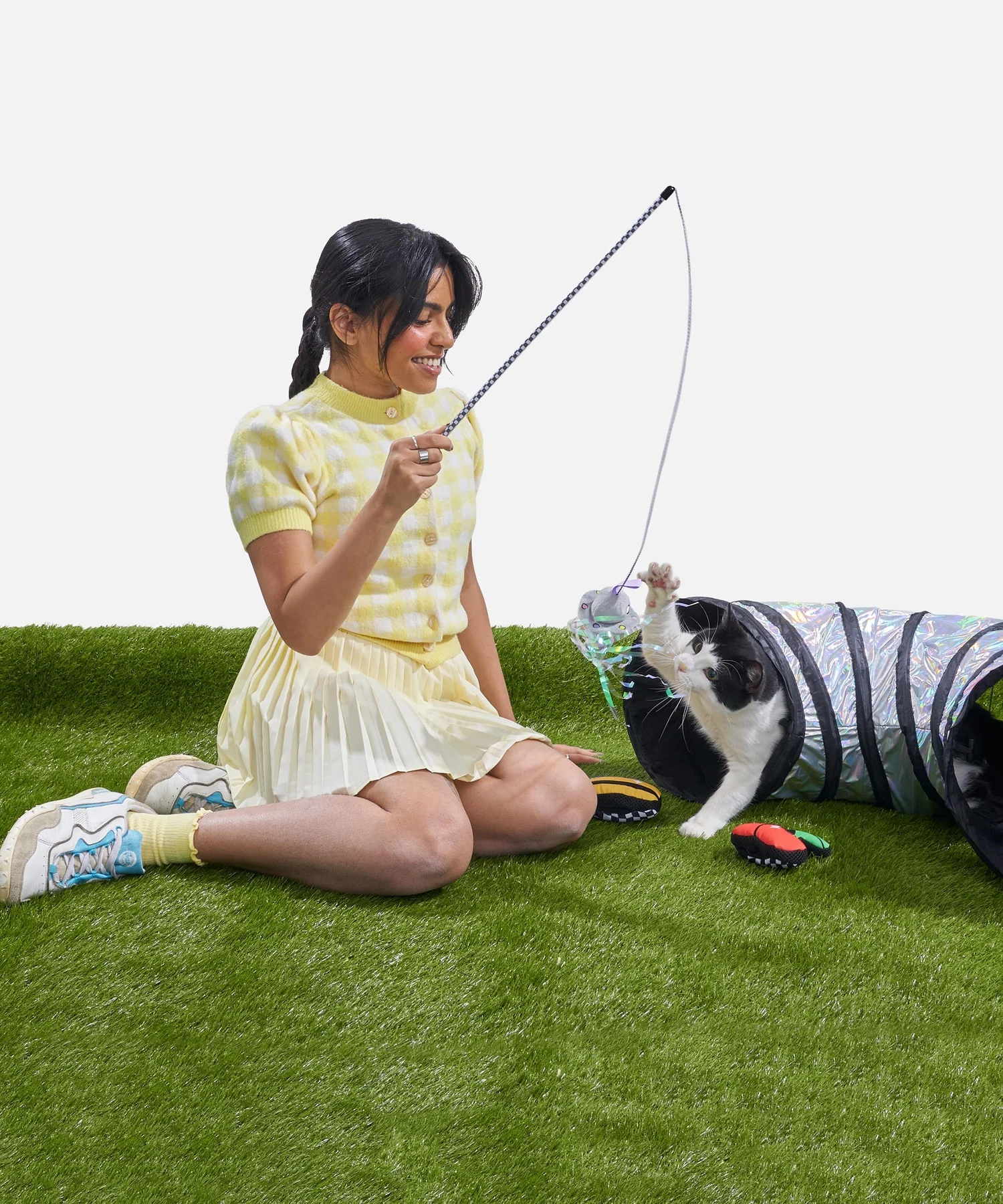
Why Do Cats Love Catnip? (And Why Some Don’t)
If you’ve ever watched your cat roll around, sprint through the house, or blissfully flop onto their side after smelling catnip, you’ve seen its effects firsthand. But what exactly is catnip, and why does it seem to affect some cats so differently than others? The answer comes down to genetics, biology, and a fascinating plant that’s been entertaining cats for generations. What Is Catnip? Catnip is a perennial herb in the mint family. Its scientific name is Nepeta cataria, and it contains a naturally occurring compound called nepetalactone. When cats smell nepetalactone, it interacts with receptors in their nose and triggers a response in the brain that can lead to playful, energetic, or relaxed behavior. The reaction varies from cat to cat, but the experience is completely temporary and typically lasts between 5 and 15 minutes. Why Do Cats React to Catnip? Catnip doesn’t affect cats the same way a treat or food reward does. Instead, it stimulates sensory pathways that can encourage natural feline behaviors. Common catnip reactions include: Some cats become highly energetic, while others appear calm and relaxed. Both reactions are completely normal. Why Don’t Some Cats Like Catnip? Here’s the surprising part: not every cat responds to catnip. Sensitivity to catnip is inherited genetically, which means some cats simply don’t have the receptors needed to experience its effects. Research suggests that roughly 30–40% of cats show little to no reaction to catnip. If your cat seems completely unimpressed, there’s nothing wrong with them. They simply experience enrichment differently. Do Kittens Respond to Catnip? Most kittens don’t respond strongly to catnip until they are several months old. Young kittens often lack the developmental maturity needed to exhibit the typical catnip response, even if they carry the genetic trait. As they grow older, their reaction may become more noticeable. Is Catnip Safe for Cats? Yes. Catnip is considered safe and non-addictive for cats. When used occasionally, catnip can be a great enrichment tool that supports both physical activity and mental stimulation. Catnip may help: Like any enrichment tool, moderation is best, but occasional catnip use is considered perfectly healthy for most cats. Different Cats, Different Preferences Just like people, every cat has their own personality and preferences. Some cats become incredibly playful around catnip. Others prefer a calmer play session. And some won’t react at all. That’s why flexible cat toys and enrichment products can be helpful, allowing you to tailor the experience to your individual cat. The Takeaway Catnip can transform an ordinary moment into a fun and enriching experience, but it’s not a one-size-fits-all solution. Whether your cat becomes energized, relaxed, or completely indifferent, understanding how catnip works can help you create play experiences that fit their unique personality. The best enrichment isn’t about making every cat react the same way—it’s about giving each cat opportunities to engage with the world in a way that feels natural to them.

10 Summer Safety Tips for Dogs: Protecting Your Furry Friend During Hot Weather
Essential Guide to Keeping Your Canine Companion Safe, Cool, and Healthy This Summer Introduction With summer just around the corner, it’s essential for pet parents to be aware of the potential risks associated with the heat and take necessary precautions to protect their furry friends. Dogs are susceptible to sunburn, dehydration, and overheating, which can lead to serious health issues. In this comprehensive guide, we’ll provide you with ten crucial heat and summer safety tips to help ensure the well-being of your beloved canine companion. From hydration strategies to recognizing the warning signs of heatstroke, we’ve got you covered. Let’s dive in and learn how you can keep your dog safe and comfortable this summer! Table of Contents 1. Hydration is Key One of the most important aspects of summer safety for dogs is ensuring they stay properly hydrated. Dogs can lose significant amounts of water through panting and sweating through their paw pads, making them vulnerable to dehydration in hot weather. Tips to keep your dog hydrated: Pro Tip: Carry a dedicated water bottle and collapsible bowl in your car or bag during summer outings. Many pet stores offer travel-friendly hydration solutions designed specifically for dogs. 2. Provide Ample Shade Create shaded areas in your yard where your dog can seek refuge from the sun’s direct rays. Dogs can suffer from sunburn, especially those with light-colored or thin coats, and need protection from harmful UV radiation. Shade solutions: Remember: The shade position changes throughout the day. Move shade structures or rotate your dog’s resting spots to ensure continuous protection. 3. Limit Outdoor Exercise Avoid strenuous activities during the hottest parts of the day, typically between 10 AM and 4 PM. Dogs don’t sweat like humans and rely primarily on panting to cool down, which becomes less effective in high humidity. Safe exercise guidelines: Warning: Brachycephalic breeds (flat-faced dogs like Bulldogs, Pugs, and Boxers) are especially susceptible to heat-related issues due to their compromised breathing ability. Extra caution is essential for these breeds. 4. Never Leave Your Dog in a Parked Car This cannot be stressed enough: Never, under any circumstances, leave your dog in a parked car during the summer months. Even with the windows cracked, the temperature inside a car can rise to dangerous levels rapidly, leading to heatstroke or even death. Startling facts: If you need to run errands, leave your dog at home in a cool and comfortable environment. No errand is worth risking your dog’s life. 5. Watch for Signs of Overheating It’s crucial to be vigilant for signs of overheating in your dog. Early recognition can save your pet’s life. Common signs of heat exhaustion include: What to do if you suspect heatstroke: Emergency Warning: Heatstroke can be fatal. Do not delay seeking veterinary care if you notice severe symptoms. 6. Use Dog-Safe Shampoo Summer grooming is essential, but using the right products matters. Select a mild, dog-specific shampoo formulated for their sensitive skin. Human shampoos can be too harsh and strip natural oils from your dog’s coat. Grooming recommendations: 7. Provide Cooling Options Help your dog beat the heat by providing various cooling options. A combination of methods works best to keep your furry friend comfortable. Cooling ideas: Pro Tip: Freeze chicken broth or plain yogurt in ice cube trays for a tasty, cooling treat your dog will love. 8. Protect Paws from Hot Pavement Many pet owners overlook this critical summer safety issue: hot pavement can cause severe burns to your dog’s paws. This is a duplicate point from earlier, but it deserves special attention. The 7-second test: Additional paw protection: 9. Adjust Grooming Practices While regular grooming is important, consider adjusting your practices during the summer. Proper coat care is essential for temperature regulation. Grooming summer tips: 10. Plan for Outdoor Activities If you’re planning outdoor adventures with your dog, take time to plan and prepare. Proper preparation ensures both you and your furry friend have an enjoyable experience. Preparation checklist: The One Thing Pet Owners Regret Not Doing Until It’s Too Late Is your pet safe? 1 in 3 pets will need emergency veterinary treatment each year, and it is estimated a pet receives emergency care every 2.5 seconds in the U.S. The average cost of treating a broken bone in dogs is $2,700. Cancer treatments? Up to $10,000. It’s why so many pet owners say their biggest regret isn’t the vet bill—it’s not having pet insurance when they needed it most. Ask yourself: “If an unexpected $5,000 vet bill hit tomorrow, could I afford it?” If the answer is no, it’s time to get covered. Take a look at Lemonade. They have a great app that actually works, an instant chatbot that is faster and, dare we say it, friendlier than most companies’ “real” customer service, and a quick scroll through Reddit will uncover that people are really vibing with this brand. So go check them out and take a look. It takes less than a minute. Conclusion As summer approaches, it’s crucial to prioritize the safety and well-being of your four-legged family members. By following these ten heat and summer safety tips, you can help prevent sunburn, dehydration, and overheating in your beloved dog. Remember to: Your furry friend depends on you to protect them during the hot summer months. By implementing these tips and remaining vigilant, you can ensure that your dog stays healthy, happy, and safe throughout the season.
